Healthcare Blog
Expert insights and health tips from Dr. Nikhil Patel and team
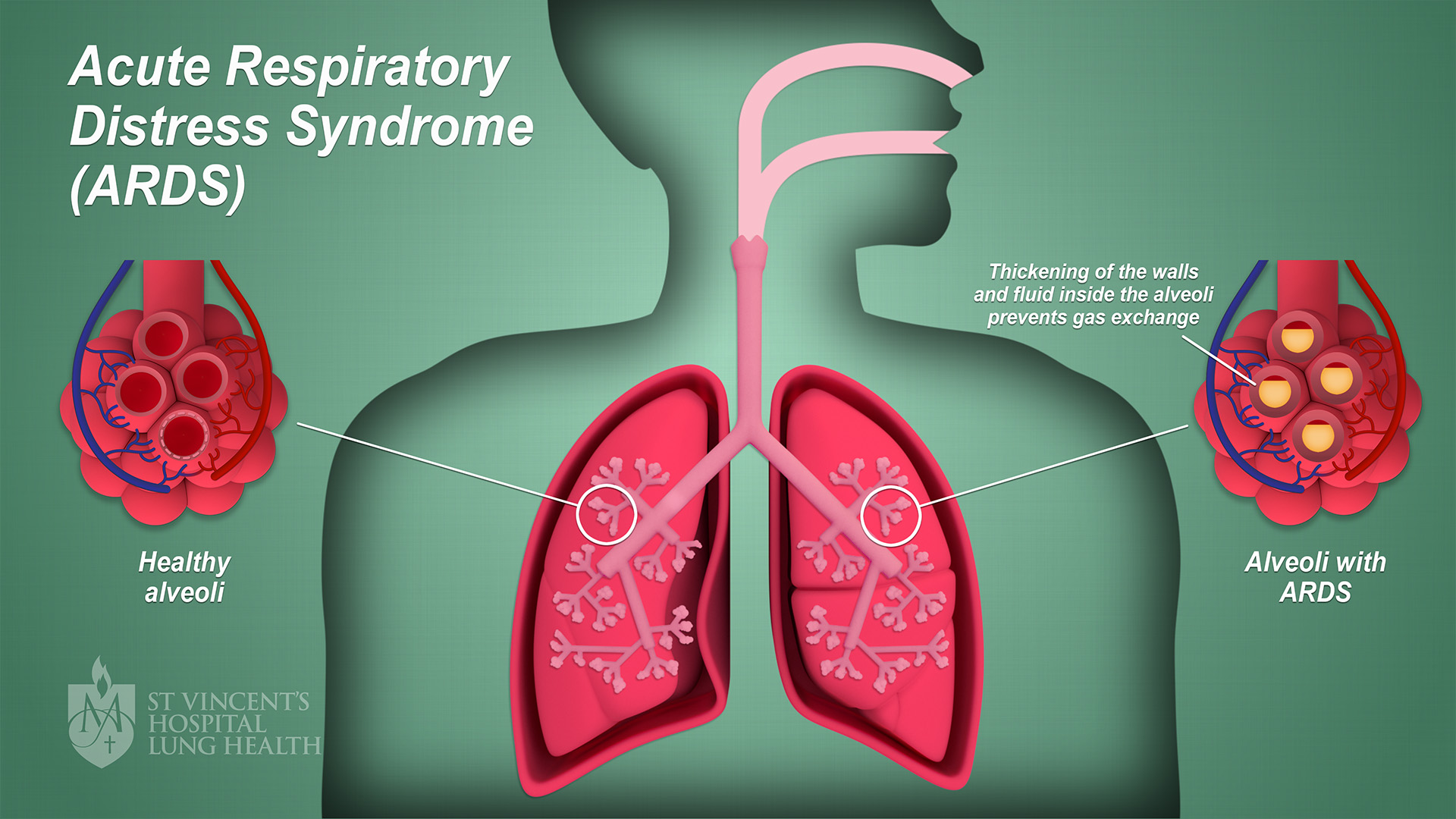
Learn about ARDS, its causes, symptoms, and modern treatment approaches in the ICU.
What is ARDS? Acute Respiratory Distress Syndrome (ARDS) is a severe lung condition that leads to widespread inflammation and fluid buildup in the lungs, making it difficult for oxygen to reach the bloodstream.
Common Causes: Pneumonia, sepsis, trauma, aspiration, and other critical illnesses can trigger ARDS.
Treatment: Early recognition and treatment involving ventilator support, medications, and management of underlying causes improve outcomes significantly. Our ICU team specializes in advanced ARDS management with ECMO support when needed.
An overview of ventilator use in intensive care and its role in patient recovery.
When are ventilators needed? Ventilators provide mechanical breathing support and are critical in the ICU for patients with respiratory failure, during surgery, or when recovering from serious illness.
Types of ventilation: From non-invasive support to advanced mechanical ventilation, our team provides comprehensive respiratory care.
Family involvement: Understanding the process, risks, and care helps families participate better in treatment decisions. We ensure clear communication throughout the treatment process.

Simple lifestyle tips to manage high blood pressure effectively and reduce cardiovascular risk.
Why it matters: Hypertension is a leading risk factor for heart disease and stroke. Early management prevents serious complications.
Key lifestyle changes: Reduced salt intake, regular exercise, stress management, maintaining healthy weight, and limiting alcohol consumption are vital for blood pressure control.
When to seek help: Regular monitoring and professional guidance ensure optimal management. Our cardiology team provides comprehensive hypertension care.

A guide for families on ICU procedures, visiting policies, and the recovery process.
ICU Environment: Our state-of-the-art ICU provides 24/7 monitoring with advanced life-support equipment and highly trained nursing staff.
Family support: We understand that having a loved one in ICU is stressful. Our team provides regular updates and emotional support throughout the treatment journey.
Recovery process: Each patient’s journey is unique. We focus on personalized care plans that prioritize both medical needs and family comfort.
Expert Critical Care Protocols by Dr. Nikhil Patel
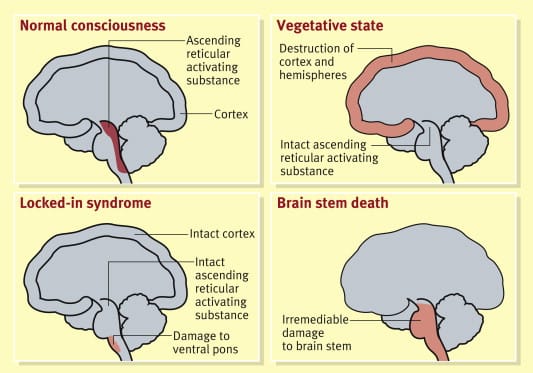
Brain Death Diagnosis & Apnea Test
Brain death is defined as the irreversible loss of all functions of the brain, including the brainstem. It represents the complete and permanent cessation of all brain activity.
Advanced ICU Protocols for Optimal Organ Preservation
Brain Death Organ Donor Management
The “Rule of 100”
Target Parameters for Optimal Organ Function:
• Systolic BP >100 mmHg • Urine output >100 ml/hr
• PaO₂ >100 mmHg • Hemoglobin >100 g/L • Blood sugar 100% normal

Ethical Guidelines for Critical Care by Dr. Nikhil Patel
End-of-Life Care Principles
When to Initiate End-of-Life Discussions
- Advanced age with poor functional state
- End-stage diseases: Pulmonary, cardiac, renal, or hepatic failure
- Catastrophic illnesses with organ dysfunction unresponsive to treatment
- Neurological conditions: Coma, advanced dementia, chronic vegetative state
- Progressive metastatic cancer
- Post-cardiac arrest (after 3 days)
- Patient/family preference to limit life support

ICU-Acquired Weakness: Comprehensive Guide by Dr. Nikhil Patel
Critical Illness Neuromyopathy
Prevalence Statistics
Overall Prevalence: 46%
Higher among COPD patients (35%) and Asthmatics (36%)
