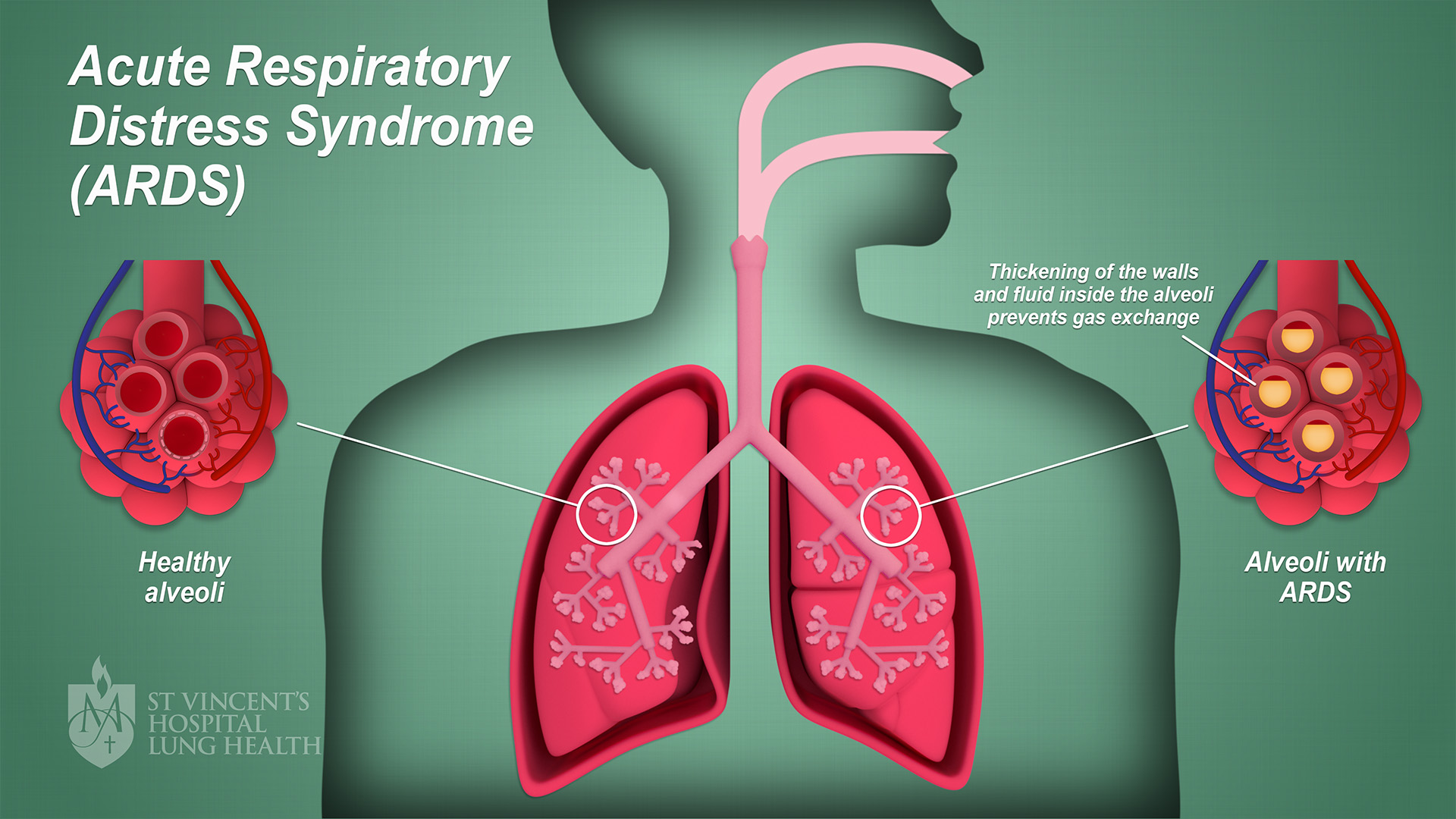
Acute Respiratory Distress Syndrome (ARDS) is a life-threatening form of respiratory failure. It occurs when inflammation causes fluid to leak into the tiny air sacs (alveoli) of the lungs, preventing enough oxygen from reaching the bloodstream. Despite advances in intensive-care medicine, ARDS still carries significant risks: mortality rates range from 30 % to 40 %, depending on age, underlying illness, and how quickly treatment begins.
- Protective Mechanical Ventilation – low tidal volumes and moderate PEEP prevent further lung injury.
- Prone-Positioning – rotating the patient onto their stomach improves ventilation/perfusion matching.
- Neuromuscular Blockade & Sedation – allows synchrony with the ventilator in severe cases.
- ECMO (Extracorporeal Membrane Oxygenation) – our ICU offers bedside veno-venous ECMO for refractory ARDS.
- Precision Fluid Management – conservative fluid strategy reduces pulmonary edema.
- Treat the Root Cause – targeted antibiotics, antivirals, or surgery for trauma-related injuries.
” Early referral to a centre experienced in ECMO can increase survival in very severe ARDS. “— Dr. Nikhil Patel