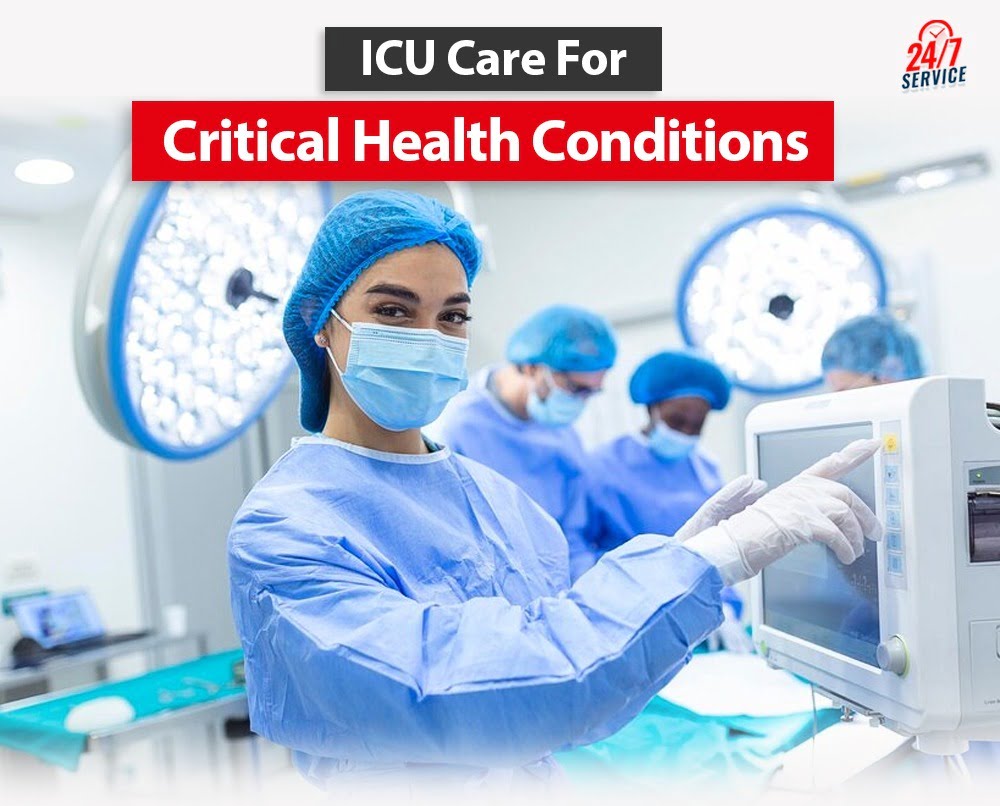
What to Expect During Intensive-Care Unit (ICU) Stay

An intensive care unit (ICU) stay can be overwhelming for patients and families alike. Understanding what to expect during your ICU experience, from the advanced medical equipment to daily routines, helps reduce anxiety and prepares you for the journey ahead. This comprehensive guide provides essential information about ICU care, recovery processes, and support systems available to you.

1

Understanding the ICU Environment and Advanced Medical Technology

The intensive care unit serves as a specialized medical facility where healthcare professionals monitor critically ill patients around the clock. Our ICU maintains state-of-the-art equipment, including continuous cardiac monitors that track heart rhythms, mechanical ventilators that assist with breathing, precision infusion pumps for medication delivery, and bedside ultrasound machines for immediate diagnostic imaging.

Each patient receives individualized attention through our dedicated nursing staff, with nurse-to-patient ratios carefully maintained at 1:1 or 1:2, depending on patient acuity levels. This concentrated staffing ensures immediate response to any changes in your condition during your ICU stay.

Essential Medical Equipment You’ll Encounter During ICU Care

During your intensive care unit experience, you may encounter various life-supporting devices designed to monitor and assist your recovery:

Infusion pumps precisely deliver medications, fluids, and nutrients directly
into your bloodstream
Endotracheal tubes or tracheostomies provide mechanical breathing support
When natural respiration needs assistance
Dialysis and CRRT (Continuous Renal Replacement Therapy)
Machines support kidney function by filtering waste products from your body
blood
• ECMO (Extracorporeal Membrane Oxygenation) circuits temporarily replace
heart and lung function during severe organ failure

These sophisticated medical devices work continuously to support your vital organs while your body focuses on healing and recovery.

Family Visitation Policies and Safety Protocols in the ICU

Family presence plays a crucial role in patient recovery, and we encourage loved ones to participate in the healing process while maintaining safety standards. Our ICU provides two scheduled visiting periods daily, allowing family members structured time with patients while ensuring adequate rest periods.

Video-calling technology offers additional connection opportunities when in-person visits aren’t possible, helping maintain emotional bonds during challenging recovery periods. As our Senior ICU Nurse explains, “Family presence can improve patient outcomes and reduce delirium, but safety and rest remain our priority.”

Infection control measures protect vulnerable patients, so visitors must follow specific protocols, including hand hygiene, appropriate attire, and health screenings before entering the intensive care unit.

“Family presence can improve patient outcomes and reduce delirium, but safety and rest remain our priority.” — Senior ICU Nurse

Daily Communication and Medical Updates

Transparent communication forms the foundation of quality ICU care. Our multidisciplinary medical team conducts comprehensive rounds each morning at 9 a.m., and families are welcome to attend these sessions to receive direct updates about treatment plans and progress.

We provide written update sheets detailing your condition, treatment modifications, and expected milestones. A dedicated phone line remains available for urgent questions or concerns that arise between scheduled updates, ensuring families stay informed throughout the ICU stay.

Healthcare team members include intensivists, specialized nurses, respiratory therapists, pharmacists, and social workers who collaborate to address all aspects of your care and recovery.

Recovery Process and Transition from ICU

The journey from the intensive care unit to recovery follows carefully monitored stages. Once medical teams achieve vital sign stability and organ function improvement, patients typically transition to our High-Dependency Unit, which provides an intermediate level of care between intensive monitoring and general ward treatment.

This step-down process includes continued medical supervision alongside rehabilitation services such as physiotherapy to restore strength and mobility, occupational therapy for daily living skills, and psychological counseling to address emotional aspects of recovery.

Recovery timelines vary significantly based on individual conditions, but our comprehensive approach ensures patients receive appropriate support at each stage of their healing journey.

Resources and Support Services

Throughout your intensive care unit experience, multiple support services remain available to assist patients and families. Social workers help coordinate care transitions and address practical concerns, while chaplains provide spiritual support regardless of religious background.

Educational materials explain medical procedures and equipment, helping families understand treatment approaches. Support groups connect families with others experiencing similar challenges, creating valuable peer networks during difficult times.

For additional guidance about ICU care or to schedule consultations regarding intensive care services, contact our medical team through our appointment scheduling system.

Your ICU stay represents a critical phase in your healthcare journey, supported by dedicated professionals committed to your recovery and well-being.

Dr. Nikhil Patel – Footer This Is Footer Code With CSS